Research notes
Selected comparisons and open questions within JI. These notes examine relationships across works and studies, following the questions that remain open.
Visibility & presence
How does a form's presence differ from its visibility?
Reading the comparison
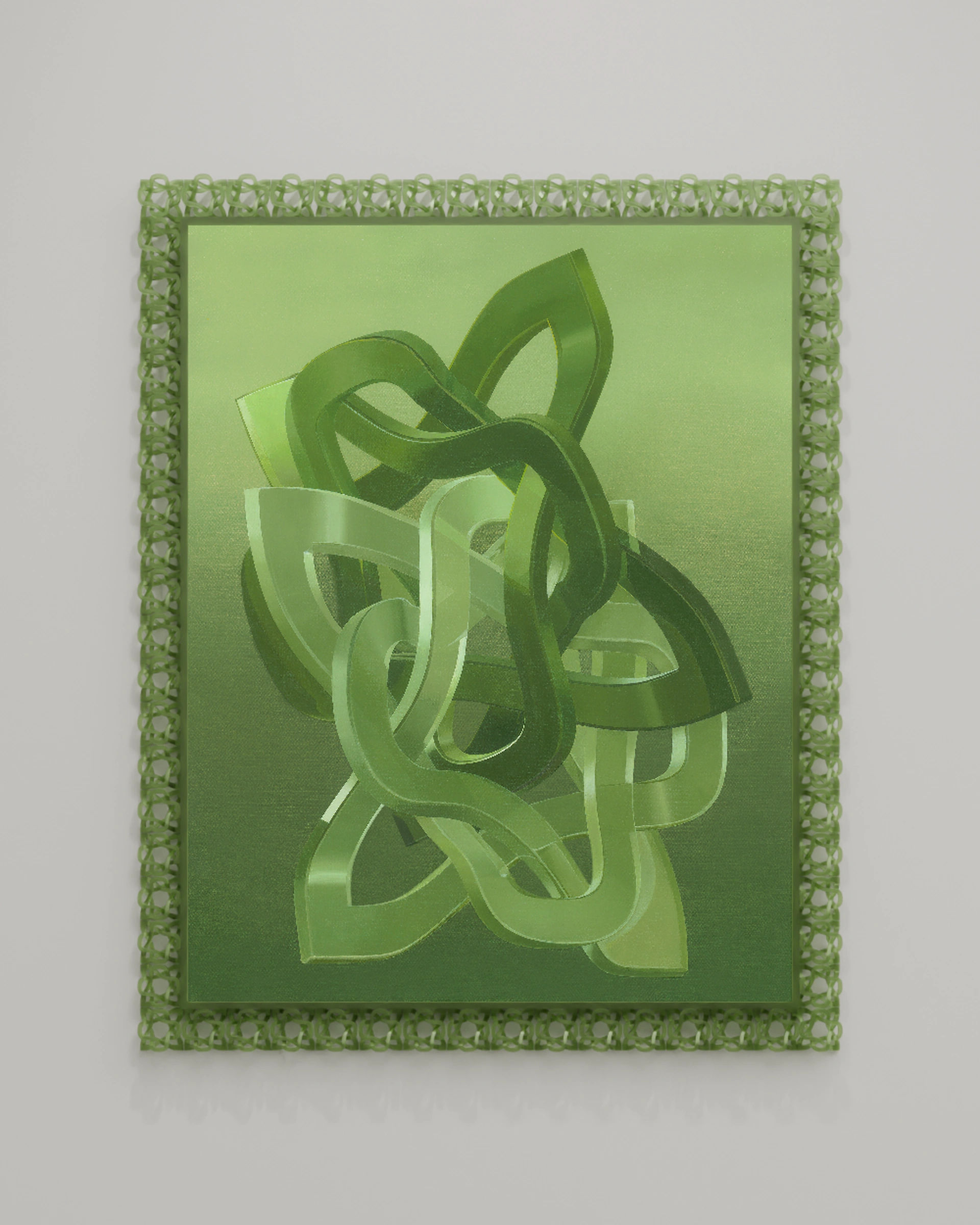
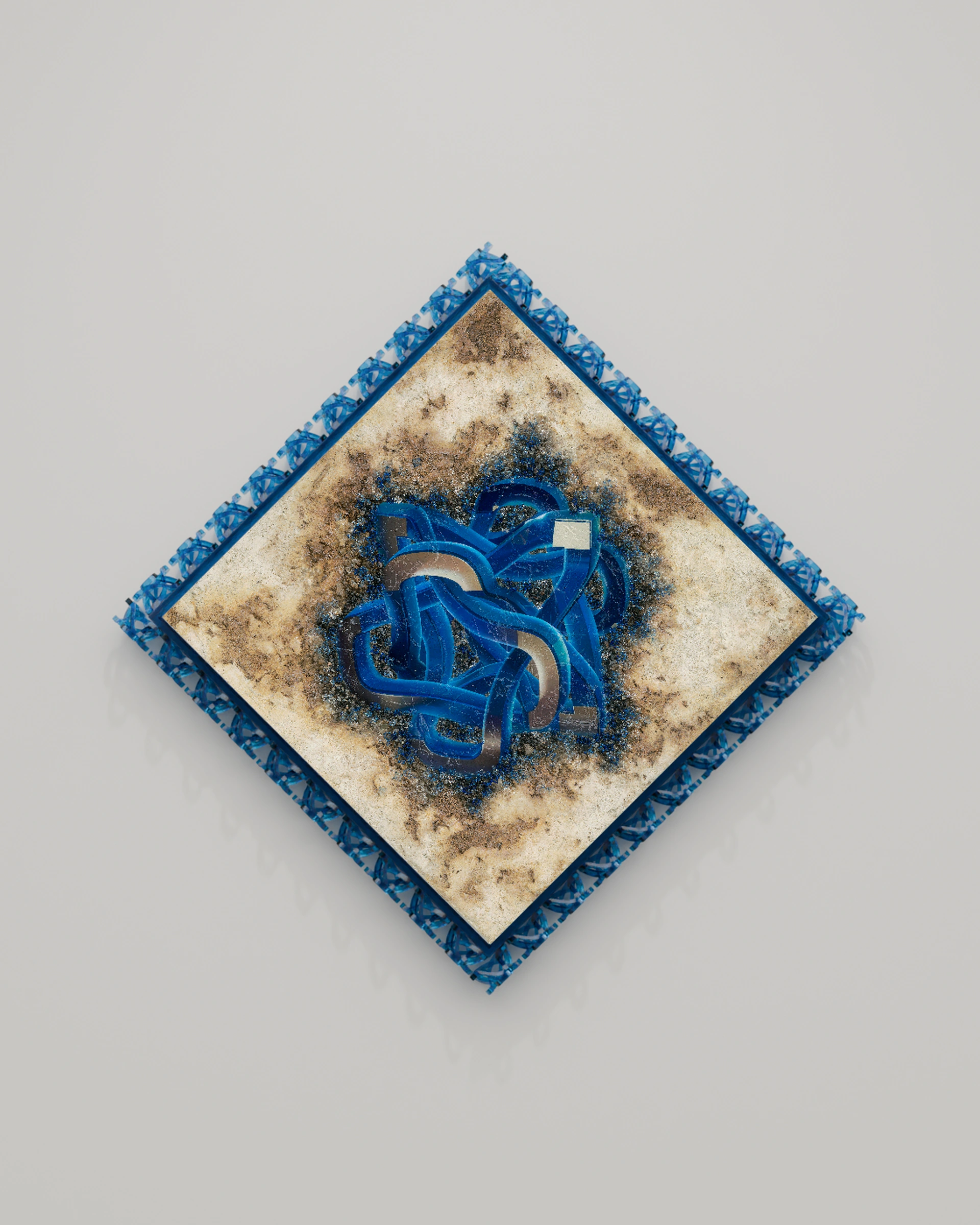
In Qingjian, a golden sheen becomes more or less visible with light and viewing position. In Latent Form, transparency and recessed traces create different degrees of visibility within the work.
Read together, these works distinguish physical presence from visual access. The distinction carries different meanings: the possibility of hope in Qingjian, and the persistence of what cannot be seen in Latent Form. A similar condition of viewing can therefore support different expressions within JI.
What remains open
How might changes in visibility alter the reading of JI while its underlying structure remains present? Further comparisons could follow the same work across different lighting conditions and viewpoints.
When is JI perceived as an individual form, and when as part of a larger structure?
Reading the comparison
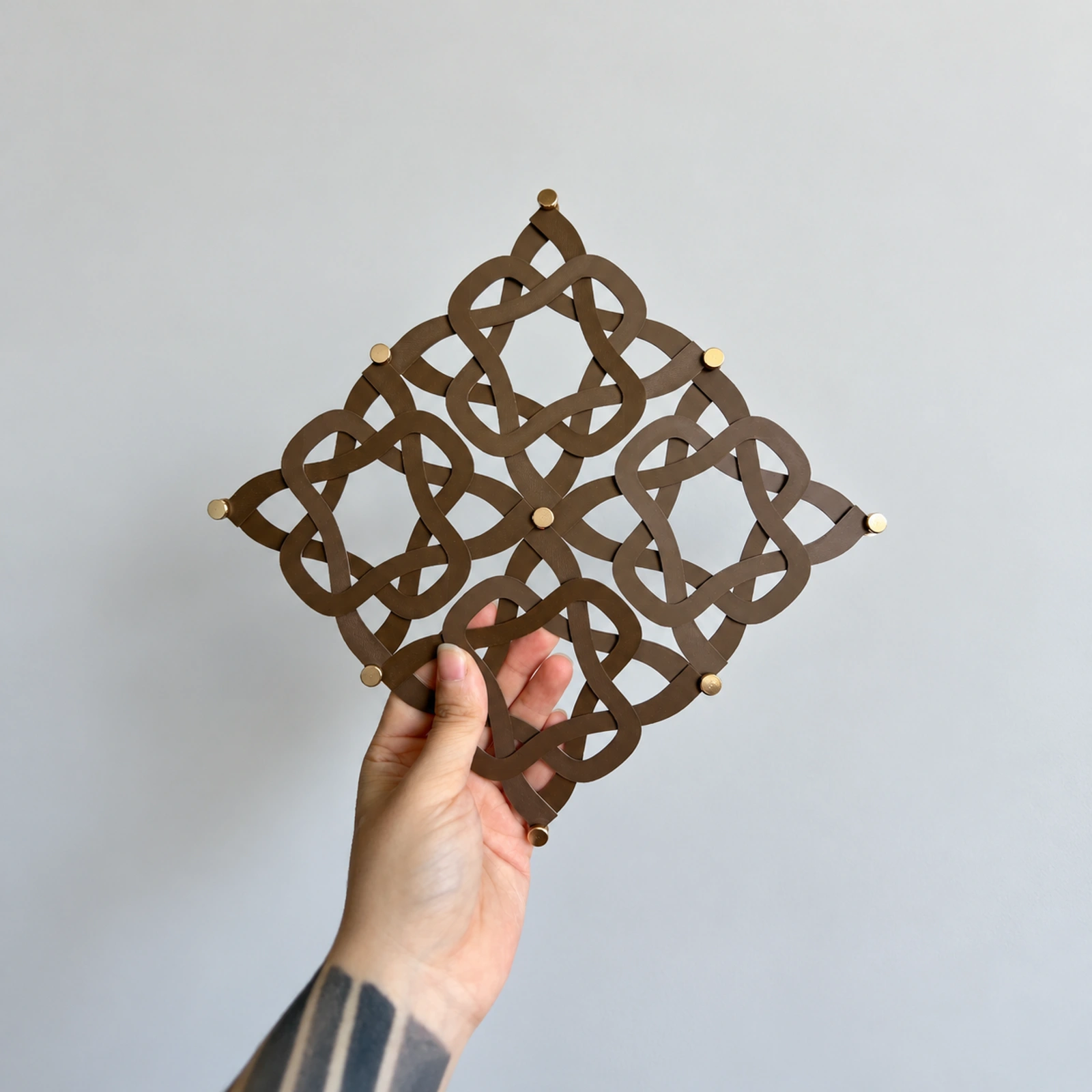
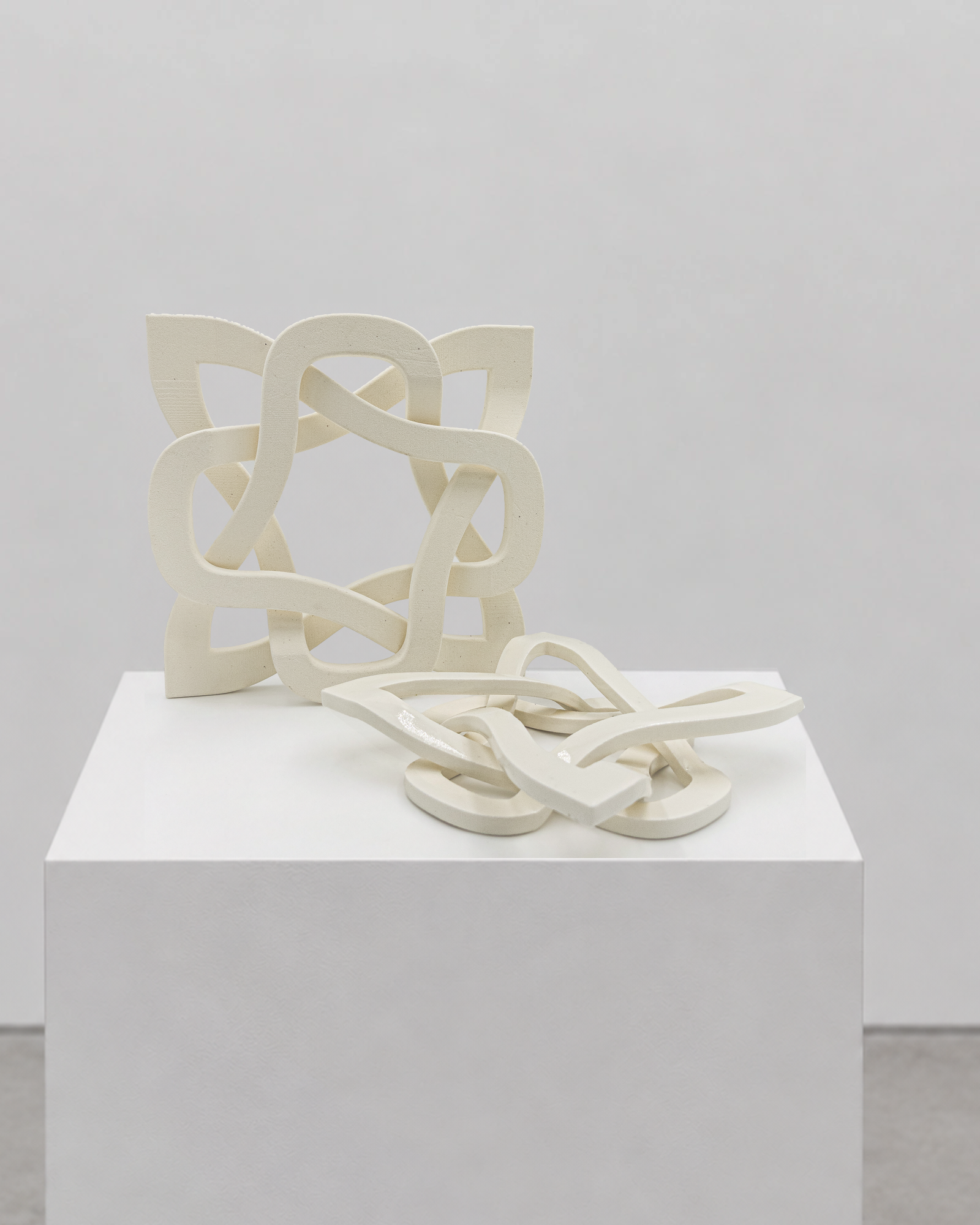
A modular structure distributes JI across repeated units: attention moves between the individual shape and the pattern formed by their arrangement. A volumetric form concentrates attention within a single JI, where depth makes its crossings and surfaces readable from different directions.
The comparison brings two scales of relationship into focus: relationships between units and relationships within a form. Repetition and volume offer different ways to develop the same visual reference.
What remains open
What allows JI to remain recognisable: its outer contour, its crossing relationships, or a recurring pattern? The existing forms provide starting points for further comparisons.